Dental plaque and tartar are terms many people hear at routine check-ups, yet few fully understand what they are or how quickly they can develop. In Singapore’s fast-paced, food-centric lifestyle — where sweet drinks, snacks, and late meals are common — these invisible build-ups can form sooner than most expect.
Understanding how plaque and tartar develop, how to spot early signs, and how everyday habits influence oral cleanliness can make a meaningful difference to long-term dental comfort and confidence.
What exactly is dental plaque?
Dental plaque is a sticky layer of bacteria that begins forming on the surface of teeth shortly after cleaning. It can often be felt as a slightly rough or filmy coating, especially after consuming sugary or starchy foods. In its early stages, plaque is usually colourless and easy to miss without close inspection.
Saliva and diet play a major role in how quickly plaque accumulates. Diets high in sugar and refined carbohydrates tend to accelerate its formation, while smokers and individuals with dry mouth may experience slower natural cleansing from saliva, allowing plaque to linger longer. Plaque commonly starts developing along the gumline, where teeth meet the gums.
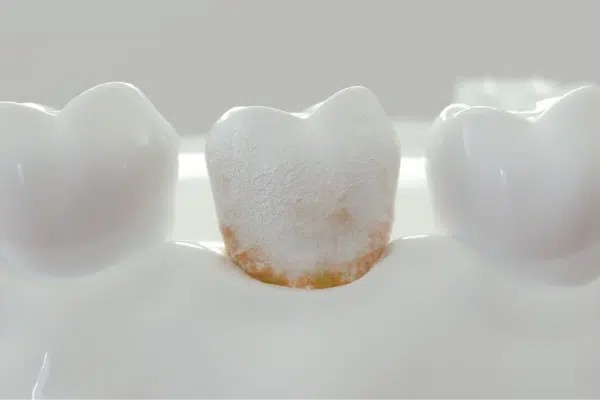
Over time, plaque absorbs pigments from food and drinks, gradually shifting from nearly invisible to yellowish or darker tones.
Why plaque build-up shouldn’t be ignored
When plaque is not regularly removed through brushing and flossing, it continues to multiply. Prolonged build-up has been linked to cavities, gum irritation, and progressive gum problems that may worsen over time. In advanced cases, long-term neglect can contribute to tooth instability and costly dental procedures.
While these changes often happen gradually, many people only notice a problem once visible staining, sensitivity, or discomfort appears — long after plaque has taken hold.
What is tartar, and how is it different?
Tartar, also known as calculus, forms when plaque hardens over time. Once this happens, it becomes firmly attached to the tooth surface and cannot be removed with standard brushing alone.
Tartar commonly develops in areas where plaque is left undisturbed, particularly near salivary gland openings — such as behind the lower front teeth or along the outer surfaces of upper back teeth. Unlike plaque, tartar often feels rough to the tongue and is more visible. It can appear yellow, brown, green, or even dark in colour due to staining.
Because of its hardened nature, tartar provides a surface where new plaque can easily attach, creating a cycle of build-up if left unchecked.
How can you tell if plaque or tartar is present?
In many cases, plaque and early tartar are not obvious to the untrained eye. People often only notice them once staining becomes visible. Dental professionals use special staining solutions made from food-grade dyes to highlight these deposits during routine cleanings, allowing patients to see exactly where build-up occurs.
These visual tools also help demonstrate which oral hygiene aids — such as toothbrushes, floss, or interdental brushes — are most effective for specific areas of the mouth.
Outside the clinic, some consumers choose toothpaste products designed to highlight plaque during brushing. While these can help raise awareness of problem areas, they work best when paired with consistent daily hygiene habits.
Can plaque cause bad breath?
Yes. When plaque accumulates on teeth, gums, and the tongue, bacteria can produce unpleasant odours, contributing to bad breath. This effect may be more noticeable in smokers or individuals with dry mouth, where bacteria are less easily washed away.
Regular brushing, flossing, and gentle tongue cleaning help reduce bacterial build-up and improve breath freshness.
Removing plaque and tartar: what works and what doesn’t
Plaque can usually be managed at home through proper daily oral hygiene, including brushing twice a day, flossing, and using appropriate cleaning tools for hard-to-reach spaces. Professional cleaning and polishing provide an added level of thoroughness, especially for areas that are difficult to clean independently.
Tartar, however, cannot be removed with home tools. It requires professional scaling. Consumers are advised to be cautious with online devices or over-the-counter products that claim to remove hardened deposits, as improper use may damage teeth or gums.
Simple habits that help reduce build-up
Consistent routines make a noticeable difference. Key habits include brushing and flossing regularly, cleaning the tongue, moderating sugar and refined carbohydrate intake, staying well hydrated, reducing smoking, and scheduling routine dental visits for assessment and cleaning.
While plaque and tartar may seem minor at first, understanding how they form — and how quickly they can accumulate — highlights why everyday habits matter more than most people realise.